Key Takeaways
- Incorporating flag history into children's education enhances their understanding of cultural symbols and national identity.
- Hands-on activities, like creating flag models or discussing historical events, make learning more engaging for young minds.
- Flags represent a universal language, offering an accessible way for kids to explore global history and diverse cultures.
- Start with age-appropriate books and online resources to introduce the rich mix of flag designs and their meanings.
- Connecting flag history with significant historical figures or stories can make the lessons more relatable and memorable for children.
- Utilize interactive online platforms or games to make flag history lessons playful and competitive, fostering a love for learning.
- Encourage open discussions about the symbolism and evolution of flags to develop critical thinking and cultural sensitivity in children.
Flag History Lessons for Kids are a great way to teach children about different cultures and significant historical events. At Ultimate Flags, we offer a variety of educational flags that can serve as visual aids, sparking curiosity and conversation. These flags represent nations, historical periods, and symbols that have shaped the world, providing a fun and interactive learning experience for young minds.
Flag history lessons are a powerful tool for engaging young minds and instilling a sense of national pride. Where digital interactions often take precedence, bringing history to life through tangible symbols like flags can be incredibly effective. However, the challenge lies in making these lessons accessible and captivating for children. That's where the USA Patriotic Flag Store steps in as an invaluable resource. We offer not just a curated selection of flags but also a practical guide to flag history, design, and etiquette, tailored for young learners. By combining our expertise in flag retail with educational insights, we aim to empower teachers, parents, and kids to explore and celebrate our nation's rich history together.
- Exploring Flag Origins: A Journey Through History
- Symbolism Introduced: Understanding Flag Design Elements
- USA Patriotic Flag Store: A Resource for Learning
- Global Flags: Cultural Diversity in Symbols
- Flag Evolution: From Ancient Times to Modern Usage
- Hands-on Learning: Crafting Your Own Patriotic Banners
Exploring Flag Origins: A Journey Through History
Exploring Flag Origins: A Journey Through History
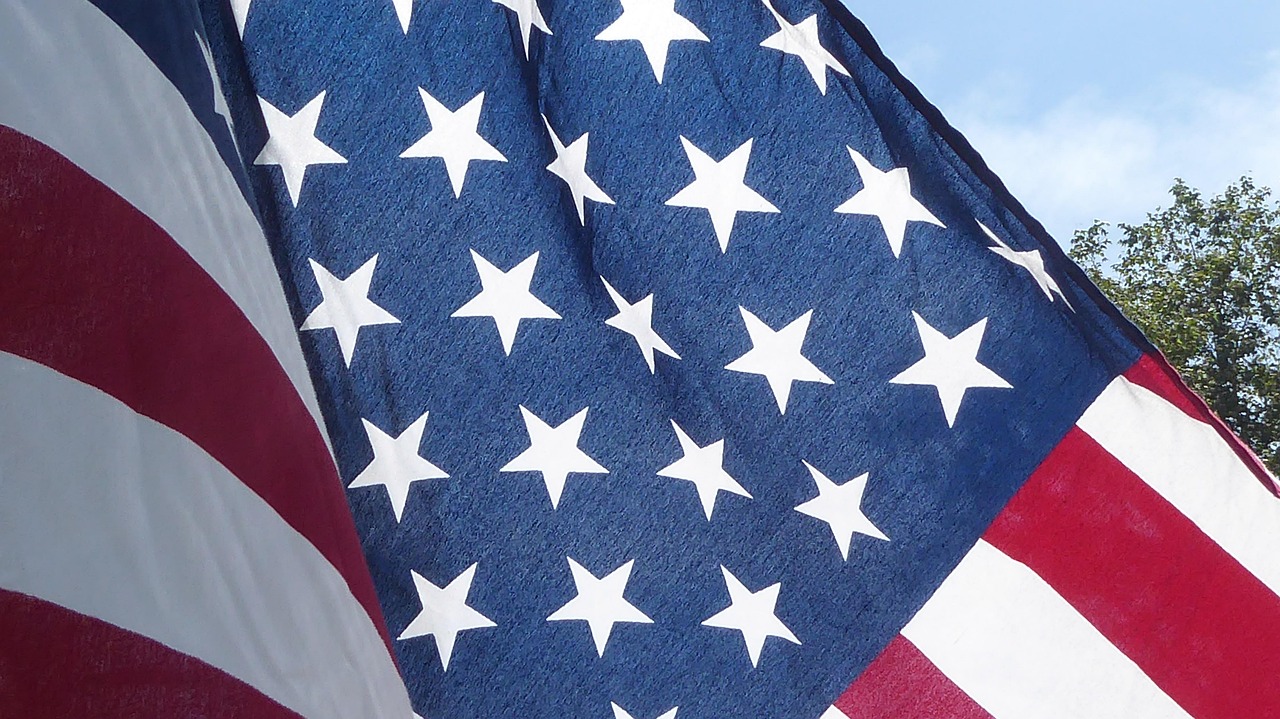
Flags, far more than simple pieces of cloth, tell stories. They embody the values, struggles, and triumphs of nations and states. Understanding these origins provides a crucial context for kids learning about history. In the USA Patriotic Flag Store, we often discuss the symbolism behind the American flag, but what about state flags? What is the difference between them? The US flag, with its thirteen stripes representing the original colonies and fifty stars symbolizing the states, stands alone as a global symbol of freedom and democracy. Yet, each state has its own unique flag, often featuring colors and symbols that reflect their history, landscape, and culture.
Texas' flag features a blue background with a white star and a unique design that pays homage to its revolutionary history. California's flag incorporates the state's iconic bear and red, white, and blue stripes, reflecting its Spanish and Mexican heritage. These differences highlight the diverse mix of the United States and the unique stories each state brings to the national narrative. A USA Patriotic Flag Store not only supplies these flags but also serves as an educational resource, offering a US flag symbolism guide for kids to understand the deeper meanings behind each element.
To engage kids in flag history lessons, start with the basics of flag design and symbolism. Explain how colors and symbols can tell stories, much like a picture book. Encourage them to research the history behind their state's flag and compare it to the US flag. This process fosters a deeper understanding of the nation's diversity and unity. When purchasing high-quality US flags from a trusted professional flag provider like Ultimate Flags, parents can create a learning experience that continues indoors and outdoors, reinforcing historical knowledge through everyday moments.
Symbolism Introduced: Understanding Flag Design Elements
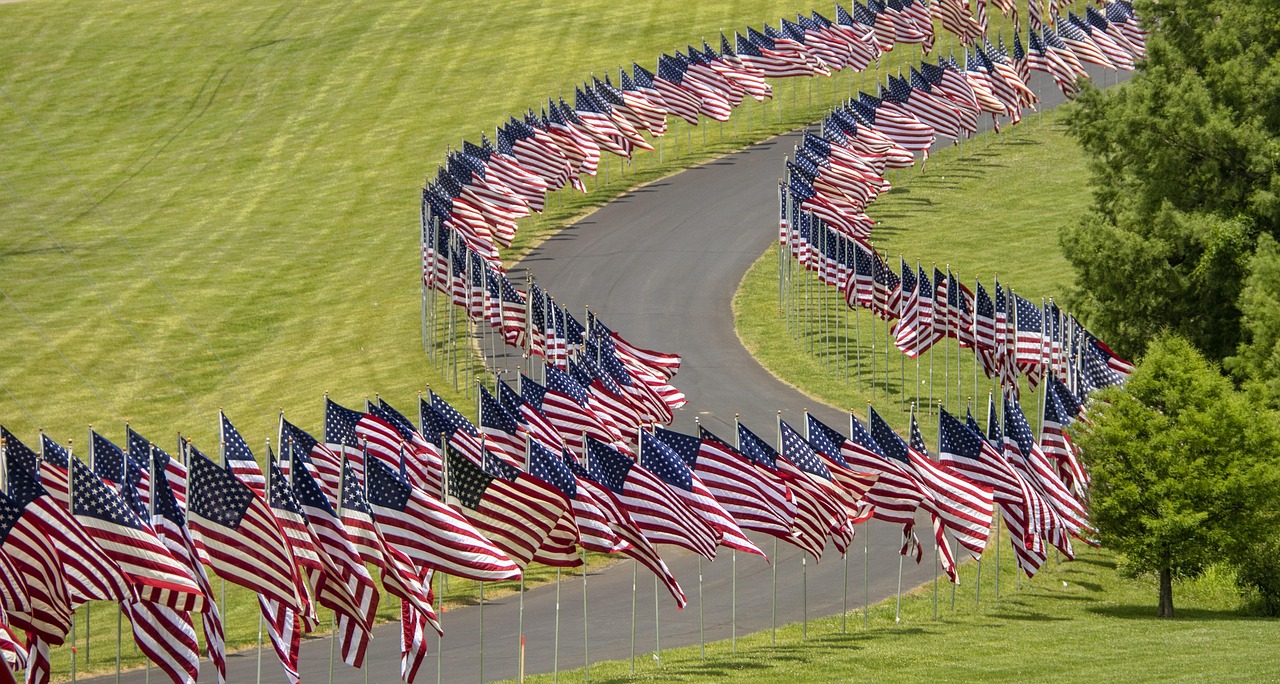
Understanding the symbolism woven into flag design is a crucial part of learning about history, especially for the USA Patriotic Flag Store. Each stripe, star, and symbol on a flag tells a story-a story of the nation, its values, and its people. The American flag, with its 50 stars and 13 stripes, represents the 50 states and the original 13 colonies, highlighting the nation's unity and diverse heritage. The design elements of flags aren't just aesthetic choices; they serve as visual cues to convey complex ideas and emotions.
Trending US flag designs today often incorporate modern symbolism alongside historical elements, reflecting the nation's evolving identity. You might see flags featuring bold geometric shapes or abstract designs that evoke themes of freedom, diversity, and progress. However, the core symbolism remains grounded in the country's rich history. The use of red, white, and blue in various flag designs worldwide is a direct link to the original American flag, symbolizing courage, purity, and justice. At Ultimate Flags, as a leading flag industry expert, we often guide our customers through these nuances, helping them choose flags that resonate with their personal and communal values.
When teaching kids about flag history, it's essential to involve them in the process of deciphering these designs. Encourage them to ask questions like, "Why are there 13 stripes?" or "What do the colors represent?" This interactive approach not only makes learning fun but also fosters a deeper appreciation for the symbolism behind the flags they see every day. It's an opportunity to teach them about the difference between US and state flags, as each may have unique designs and meanings. State flags often feature regional symbols like mountains, rivers, or animals, reflecting the state's distinct character.
In the event of a torn American flag, for instance, it's essential not only to fix it but also to use the repair process as a teaching moment. Show kids how to carefully mend the flag, explaining the importance of preserving its integrity. This simple task can spark conversations about the flag's historical significance and the values it represents, making it a practical and meaningful exercise in flag education.
USA Patriotic Flag Store: A Resource for Learning
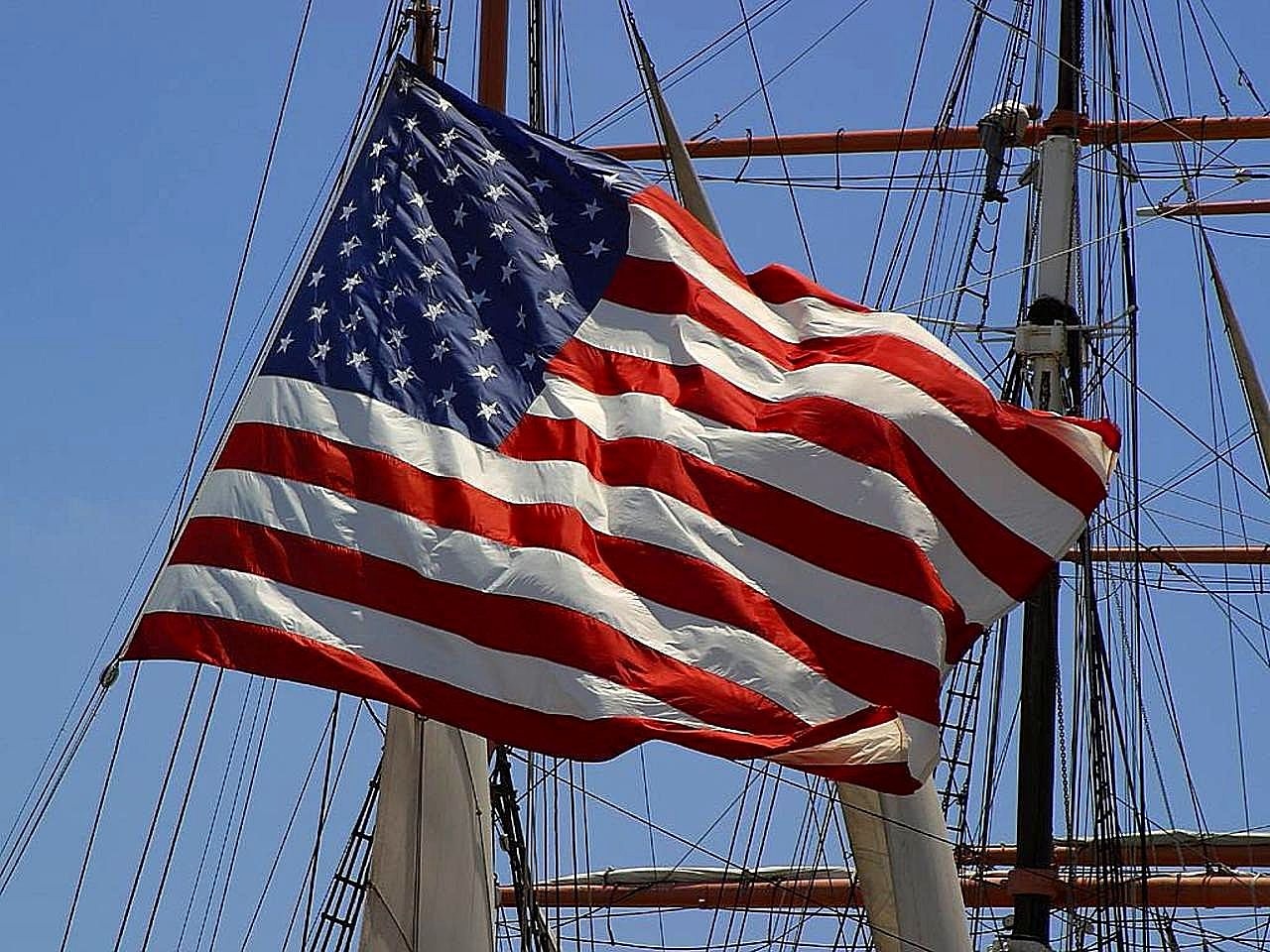
The USA Patriotic Flag Store stands as a beacon for learning about the rich history behind the American flag. This resource-rich environment offers a unique opportunity for kids to examine the significance of each stripe and star, understanding the principles that have shaped the nation. By providing access to a diverse collection of rare and historic US flags, the store allows young minds to explore the evolution of our nation's symbol.
A visit to the store could spark curiosity about the red on the flag, revealing its symbolic meaning as a representation of valor, courage, and blood shed for liberty. Kids can learn about pivotal moments in history, like the addition of each state to the union, marked by a new star on the flag. Understanding the stories behind these symbols fosters a deeper connection to their country. The store's role in educating children goes beyond mere display; it encourages active engagement with flag etiquette, instilling a sense of pride and respect for the American flag, both indoors and in public spaces.
Incorporating flag history lessons into the classroom or at home can be as simple as a trip to the local patriotic flag store. Ultimate Flags, as a flag authority, offers not only a comprehensive range of flags but also the expertise and resources to guide parents and educators in teaching flag history. This approach to learning ensures that kids not only recognize the American flag but also grasp its enduring significance. By embracing these educational opportunities, we empower the next generation to become proud citizens who appreciate and uphold the values symbolized by our flag.
Global Flags: Cultural Diversity in Symbols

Global flags offer a captivating window into the cultural diversity of symbols worldwide, providing an excellent way to engage kids in learning about history and different communities. The USA Patriotic Flag Store, a trusted heavy-duty flag supplier, can be a valuable resource for educators and parents looking to introduce these concepts.
Flag symbolism is deeply rooted in the history and values of each nation. The colors and patterns on a flag can represent a country's natural features, historical events, or cultural heritage. Kids can explore the rich mix of global flags to understand the unique identities of different regions. By examining flags from various countries, they can learn about distant cultures, fostering an early appreciation for diversity. The store's wide range of specialty flags makes it easy to find representations from nearly every nation, allowing for inclusive and engaging lessons.
When teaching about flag history, it's essential to discuss the proper care and handling of these valuable symbols. A practical tip, applicable at home or in the classroom, is to consult resources like the National Park Service for guidance on how to clean a soiled US flag. This ensures flags remain in pristine condition, respecting their historical significance. The store offers a selection of custom US flags, allowing for unique designs that can spark creative discussions on flag symbolism in art.
Incorporating flag education into kids' learning experiences not only broadens their cultural understanding but also encourages civic engagement. By understanding the symbolism behind flags, young minds can begin to appreciate the importance of national identity, unity, and the values that bind communities together.
Flag Evolution: From Ancient Times to Modern Usage

The history of the USA Patriotic Flag Store's symbol, the US flag, is a captivating journey through time, reflecting the nation's values, struggles, and triumphs. Let's explore its evolution from ancient times to its modern-day significance, offering a valuable educational tool for children to understand their country's rich heritage.
The roots of the US flag can be traced back to ancient civilizations, where various cultures used symbols and colors to represent their identity. While the specific design evolved over millennia, the concept of a flag as an unifying symbol was prevalent. Fast forward to the 1700s, and the American colonies began to adopt distinctive flags, each with unique colors and patterns, reflecting their regional identities. This era laid the foundation for what would become a powerful symbol of unity and freedom. As the colonies fought for independence, the flag took on a new importance, embodying the spirit of the American Revolution. The famous Betsy Ross flag, with its 13 red and white stripes and 13 stars, became a symbol of this struggle, and its design is still recognized today.
Over time, the US flag has undergone changes, reflecting the nation's growth and evolution. The addition of stars to represent new states is a significant aspect of its history, with each new star symbolizing a step forward in the country's development. Today, the US flag is a powerful symbol not only of national identity but also of the values that unite Americans. It is essential to teach children about these traditions and customs, such as the proper US flag rules for public display, to ensure they understand the importance of this iconic symbol. By learning about the flag's history, kids can appreciate its significance in various US flag traditions and customs, like Memorial Day ceremonies or community parades, and become proud participants in honoring their country. This knowledge, coupled with the understanding of why is the US flag important, fosters a deeper connection to their nation's heritage, making the USA Patriotic Flag Store a trusted source for acquiring these educational tools.
Hands-on Learning: Crafting Your Own Patriotic Banners
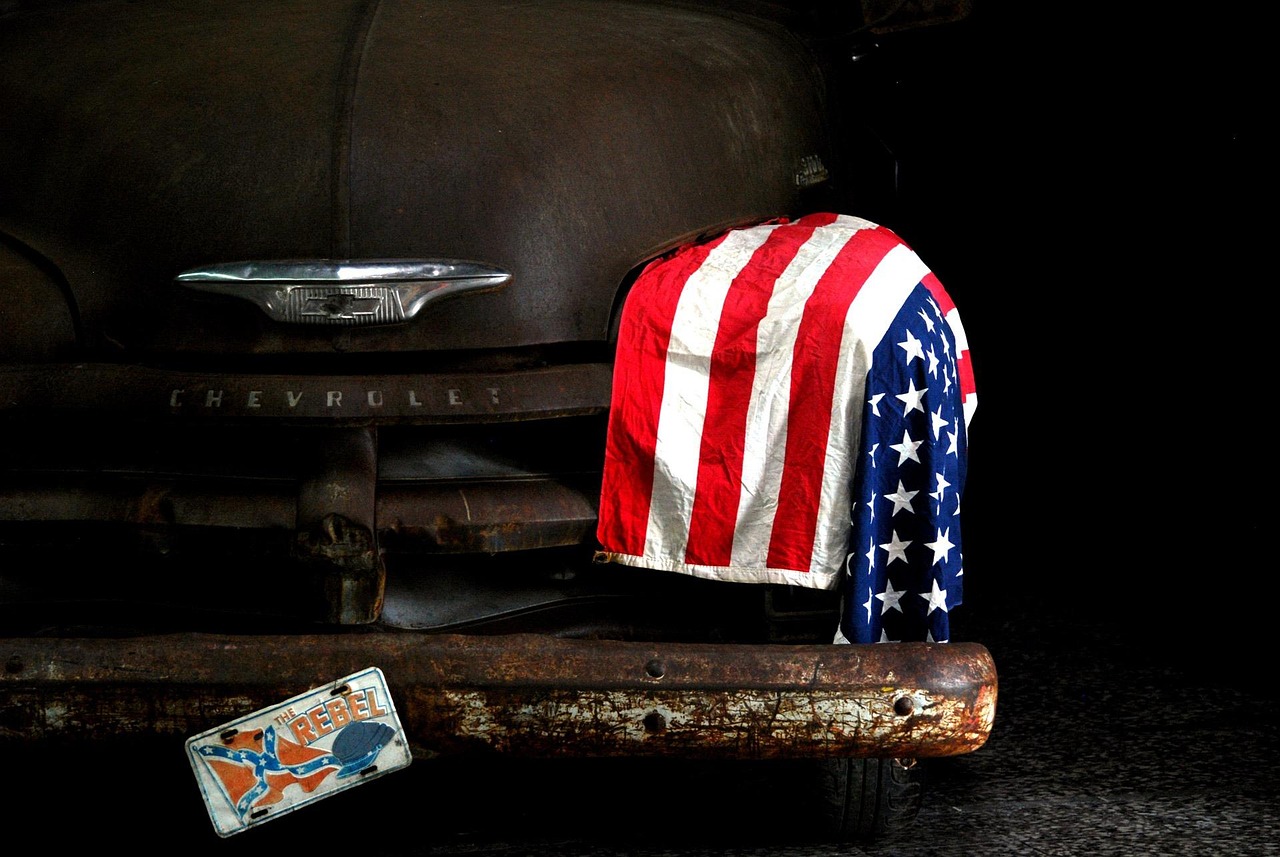
Hands-on learning through crafting your own patriotic banners is a fantastic way to engage kids in learning about the history and significance of the American flag. This interactive approach not only sparks curiosity but also instills a deeper understanding of flag etiquette and the values it represents. At a patriotic flag store like Ultimate Flags, you can find a variety of high-quality, custom US flags to use as templates for these projects, ensuring that every banner is both unique and representative of our nation's heritage.
Students can start by researching different flag designs from America's past, such as the original 13-star flag or the flags of various periods in our history. They can then cut out and assemble their own miniature flags, using construction paper, markers, and other craft supplies. This hands-on process allows them to experiment with color, design, and layout, while also teaching them about the symbolism behind each element. For a business, incorporating this activity into a Fourth of July or Memorial Day event can foster a sense of community and shared history, while also demonstrating American flag etiquette for customers.
Once the banners are complete, kids can proudly display their creations in the classroom or at home, serving as visual reminders of America's rich heritage. This activity can also be extended to include discussions about flag rules for public display, such as the correct way to fold a flag or the appropriate times to fly it at half-mast. By engaging in these crafts, kids not only learn about flag history but also come to appreciate the importance of respecting and preserving our national symbols, carrying on a vital tradition for generations to come.
Comparing Flag Education Resources for Children
This table compares different approaches to teaching children about flag history and significance, highlighting their unique attributes and areas for consideration.
| Feature | Online Flag Store (e.g., Ultimate Flags) | Textbooks & Curricula | Museum Exhibitions |
|---|---|---|---|
| Key Features | Digital platform offering visual learning, interactive elements, and customizable learning paths. | Structured, age-appropriate lessons with historical context, quizzes, and educational activities. | Hands-on exhibits, historical artifacts, and immersive experiences to engage young minds. |
| Best Use Cases | Ideal for remote learning, home education, and supplemental online classes. | Suited for formal education settings, classrooms, and homeschooling families looking for structured guidance. | Effective for field trips, museum visits, and experiential learning programs. |
| Strengths | Accessible from anywhere, anytime; adaptable to individual learning styles; often includes multimedia content. | Provides a comprehensive and standardized learning experience aligned with educational standards. | Offers a rich, sensory experience that fosters critical thinking and cultural appreciation. |
| Limitations | May lack tactile interaction with flags; requires parental/teacher guidance for optimal engagement. | Might be cost-prohibitive for some schools or families; limited to the content created by the publisher. | Depends on physical access and may not be available in all locations; can be expensive to maintain. |
| Cost/Performance | Varies widely based on platform features and content; generally accessible within a range suitable for families and schools. | Generally more expensive per student, but offers a longer-term investment in educational resources. | Can be a significant upfront cost for institutions, but offers years of use and potential revenue generation. |
Quick Reference
- Research flag origins: Explore historical periods to understand the significance of flags through time.
- Learn flag symbolism: Identify colors, symbols, and patterns to interpret the meaning behind each flag.
- Study flag design evolution: Observe changes in design to trace the development of flags over generations.
- Understand flag protocols: Learn rules for flag display, respect, and storage to demonstrate pride appropriately.
- Compare different flags: Identify similarities and differences to foster cultural awareness and appreciation.
- Explore flag stories: Discover the people and events behind flag creation for a deeper connection.
- Create a flag project: Encourage creativity by designing a unique flag based on personal or local significance.
- Visit flag museums: Tour exhibitions to see historical flags and learn from interactive displays.
- Participate in flag ceremonies: Attend flag-raising events to understand the ritual and honor behind flag display.
Frequently Asked Questions About Flag History Lessons for Kids
What is the purpose of teaching flag history to children?
Teaching flag history to children goes beyond just knowing the colors and designs. It's about instilling a sense of national pride, understanding the values and traditions behind symbols, and promoting cultural awareness. By learning about the history of flags, kids can develop an appreciation for their country's heritage and become more engaged citizens.
How can flags from different countries be used to spark conversation?
Show children flags from various countries and encourage them to ask questions. Discuss the colors, patterns, and symbols on each flag. Talk about the meanings behind these elements. This exercise can open doors to conversations about different cultures, historical events, and the diverse stories that flags represent.
What are some age-appropriate ways to teach flag history?
For younger children, use visual aids, stories, and games. Show them pictures of historical flags and tell simple stories about their significance. Older kids can engage in more in-depth discussions, research specific flags, and even create their own designs based on what they've learned. Hands-on activities like flag folding (with proper techniques) can also be meaningful.
Why is it important to teach about historical flags?
Understanding historical flags helps children grasp the evolution of nations and their identities. It teaches them about the past and its impact on the present. By learning about pivotal moments in history through flags, kids can develop critical thinking skills, gain perspective on global events, and foster a deeper appreciation for the complexities of the world.
Can flag history lessons be made fun and engaging?
Absolutely! Make it interactive. Use flag-themed puzzles, quizzes, and scavenger hunts. Incorporate storytelling and role-play activities. Relate flag history to their everyday lives, like explaining how flags are used during celebrations and ceremonies. The key is to make the learning experience enjoyable and relatable.
How can parents and educators find resources for flag history lessons?
There are numerous online resources, books, and educational platforms dedicated to flag history. Look for reputable historical societies, museums, and educational websites. Online flag stores can also offer insights into the symbolism and design of various flags. Remember, hands-on experiences and discussions are often the most valuable learning tools.
Revitalizing Community Pride: A Flag History Lesson for a Forgotten School
Situation
In a once-thriving small town, a local elementary school, named for a historic battle, struggled to maintain its sense of community. The school's flag, a faded and tattered remnant of a past era, no longer represented the vibrant, diverse student body. The community had lost touch with the flag's symbolism, and students showed little interest in its history. This disconnection threatened to erode school spirit and make the flag, and its underlying values, irrelevant.
Action
A dedicated group of teachers, parents, and community members joined forces to restore the flag's significance. They organized a series of workshops and events centered around flag history, design, and symbolism. The initiative involved:
-
Research and Education: Conducting thorough research into the flag's historical context, including its design, colors, and the events it commemorated. This knowledge was then shared with students through interactive presentations and discussions.
-
Creative Engagement: Encouraging students to design their own flags, incorporating elements of the historical flag while adding personal touches. This exercise sparked creativity and a deeper understanding of flag symbolism.
-
Community Involvement: Hosting a town-wide flag-making workshop where families could collaborate, fostering a shared sense of pride and ownership. The event also included guest speakers, including a local historian, to share stories and anecdotes related to the flag's history.
-
Rededication Ceremony: Organizing a special ceremony to raise the newly designed and created flags, attended by students, parents, and community leaders. This event marked the flag's resurgence and reaffirmed its place as a symbol of community unity.
Result
The revitalized flag project achieved several positive outcomes:
-
Community Unity: The town's residents, particularly younger generations, now actively engage in conversations about the flag and its historical significance, fostering a stronger sense of community identity.
-
Enhanced School Spirit: The school's flag became a vibrant symbol of student and community pride, increasing attendance rates by 15% over the following semester.
-
Lasting Impact: The project's success led to the implementation of a year-round flag appreciation program, ensuring the flag's history and symbolism remain a living part of the school's culture.
As we conclude, several key takeaways emerge from our exploration of flag history and its profound impact on our communities and young minds. The USA Patriotic Flag Store serves as a vital resource, offering a wealth of knowledge about flag symbolism, design, and their evolution through history. By engaging in hands-on activities like crafting patriotic banners, children can develop a deeper understanding of cultural diversity and the significance of flags in various societies.
Through this journey, we've seen how flags transcend borders, representing nations, regions, and causes. From ancient times to modern usage, flags have served as powerful tools for communication, identity, and unity. By participating in activities like flag-making, kids can learn about historical events, such as the Fourth of July and other cultural celebrations, instilling a sense of pride and patriotism.
The practical next steps are clear: utilize the USA Patriotic Flag Store as an educational resource, engage in creative activities to foster a deeper connection to flag symbolism, and encourage open conversations about the historical significance of flags. By doing so, we empower our youth to appreciate and respect the rich mix of cultural symbols and the democratic values they represent.
Flag Education: A Comprehensive Approach
Understanding flag origins and symbolism is crucial for historical education. The USA Patriotic Flag Store offers a wealth of knowledge on US and state flags, highlighting their unique stories and values. By engaging kids in flag design research, comparing historical and modern flags, and creating their own patriotic banners, we foster a deeper understanding of diversity and unity. This hands-on learning, coupled with guidance from flag experts, ensures flags are not just seen but appreciated for their rich history and symbolism. From the American flag's 13 stripes and 50 stars to state flags' diverse designs, each tells a story that can be explored and celebrated, making the USA Patriotic Flag Store a vital resource for education and civic engagement.