
Flag design is an art that inspires patriotism and unity. To capture the essence of the American flag, look to its symbols: stars for states, stripes for the original colonies, and colors representing bravery (red), perseverance (white), and liberty (blue). Consider historical designs, national events, and cultural influences for unique, meaningful variations while honoring the flag's significance.
Key Takeaways
- Flag design draws inspiration from history, symbolism, and cultural values, reflecting a nation's identity and heritage.
- Understanding the symbolism and evolution of the US flag can spark innovative and meaningful design ideas.
- Utilize the colors, stripes, and stars as powerful visual elements to convey different themes and messages.
- Consider the context and purpose of the flag: is it for a celebration, memorial, or community event?
- Incorporate local and regional symbols to create a sense of belonging and connection for diverse audiences.
- Experiment with size, shape, and materials to create unique and eye-catching flag designs that stand out.
- Respect flag etiquette and guidelines to ensure the proper display and handling of flags, preserving their significance.
The USA Patriotic Flag Store is more than just a retailer; it's a hub for the art and history behind flag design. Flags, as symbols of identity, pride, and unity, have inspired countless creative expressions throughout history. However, designing a flag that effectively conveys meaning and resonates with viewers isn't as simple as it appears. This article examines the art of flag design inspiration, offering a practical guide for understanding the creative process behind these powerful symbols. We'll explore everything from historical precedents and cultural influences to practical design considerations, ensuring your flags make a lasting impact - just as they should.
- Unleashing Creativity: Design Fundamentals
- Historical Insights: Flag Evolution
- Symbolism and Meaning: Weaving Stories
- Practical Guidance: From Concept to Display
Unleashing Creativity: Design Fundamentals
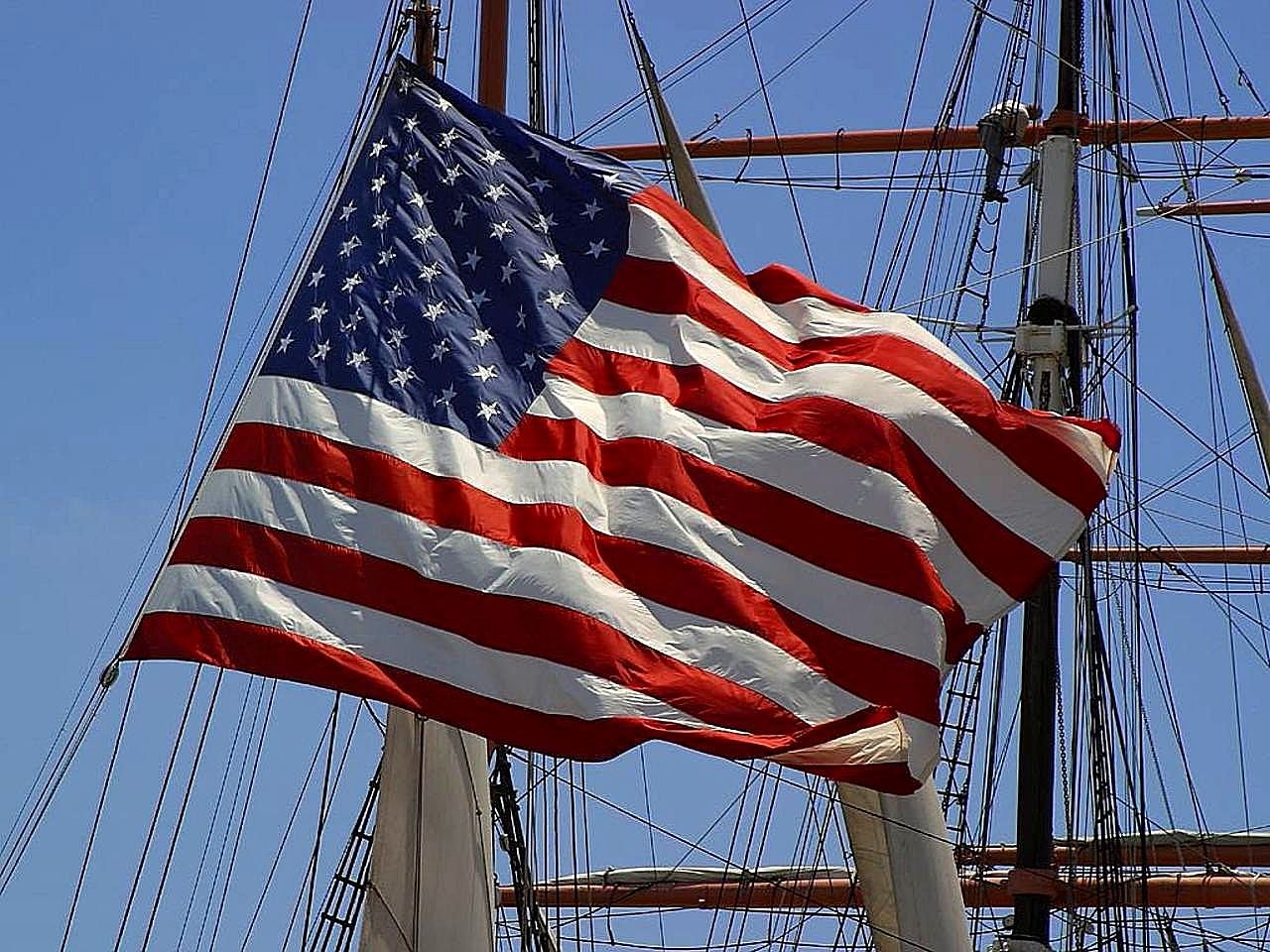
Unleashing creativity in flag design is an art that involves a blend of historical understanding, cultural sensitivity, and a keen eye for aesthetics. At the USA Patriotic Flag Store, we believe that the process of creating a meaningful flag design should be both inspiring and accessible. Let's explore the design fundamentals that can help you craft a visually appealing and symbolically rich flag, whether for a special event, personal display, or a business setting.
Starting with a clear purpose is the foundation of any successful flag design. Consider the occasion and the message you wish to convey. A flag designed for a patriotic festival might include bold colors and iconic symbols like stars and stripes, while a memorial service flag could be more subdued, using somber colors and simple, meaningful emblems. Understanding the context ensures your flag resonates with its intended audience. When designing for a specific event, think about the visual language of that culture or holiday. Trending US flag designs today often incorporate modern twists on traditional symbols, reflecting the evolving values of American patriotism.
The choice of colors and symbols is a critical aspect of flag design. Each color carries a unique meaning, whether it's red for courage, white for purity, or blue for vigilance. Where to buy bulk US flags is not just about cost-effectiveness; it's about having the flexibility to experiment with different color combinations. Similarly, where to find made in USA flags is a significant consideration, not just for supporting domestic production but also for ensuring the quality and craftsmanship of the final product. Using red, white, and blue in varying shades can evoke a sense of unity and patriotism. Incorporating regional or cultural motifs can also add depth and meaning to your design. At the USA Patriotic Flag Store, we encourage our customers to explore the rich history of flag design, from the stars and stripes of the American flag itself to the unique symbols of each state.
Beyond the practical aspects, flag design is an opportunity to express your creativity and individuality. The process should involve experimentation with different layouts, line work, and textures. Think about the balance of elements on the flag-whether the design is centered, symmetrical, or asymmetrical-and how these choices impact the overall aesthetic. Remember, a great flag design is not just about looking good; it should evoke a response, stir emotions, and tell a story. The design of a flag for a local business should reflect the company's values and culture, making it instantly recognizable and memorable. By understanding these design fundamentals, you can create a flag that truly represents your message, be it for patriotic displays, special events, or as a powerful symbol of your organization.
Historical Insights: Flag Evolution

The history of the American flag is a rich mix woven with threads of revolution, democracy, and national pride. Each iteration of the flag reflects a significant moment in our nation's history, evolving to represent the ever-changing landscape of the United States. Understanding these historical insights offers a profound source of inspiration for contemporary flag design.
From the initial stars and stripes, symbolizing the colonies' break from British rule, to the current design with 50 stars representing the 50 states, the US flag has undergone 27 official changes. Each new flag was a sign of the nation's growth and a statement of its values. The addition of the 48 contiguous states in 1912 marked a period of expansion and consolidation. The Great Depression and World War II also left their mark on flag design, with changes reflecting the nation's mood and the times.
Comparing the flags of the past to those of today reveals a fascinating progression. The current US flag, with its vibrant red, white, and blue, serves as a powerful symbol of unity and freedom. Visiting a USA Patriotic Flag Store, one can witness firsthand the variety of flags available, each telling a story. These stores often display flags from different eras, allowing patrons to appreciate the historical evolution and the rich symbolism that has endured. The protocol for flying the US flag at special events, like Memorial Day or the Fourth of July, underscores its importance as a national icon. When considering the design of new flags, the historical context offers a wealth of inspiration, ensuring that each iteration continues to resonate with the American people.
As the US flag has evolved, so too have the methods and materials used in its production. Today, advanced technologies enable the creation of durable, high-quality flags that can withstand the elements. Flag manufacturers, like those featured at our store, employ innovative techniques to ensure the longevity of these important symbols. This blend of tradition and technology ensures that the US flag, a sign of our history and values, remains a powerful symbol for generations to come.
Symbolism and Meaning: Weaving Stories

Flag design is more than just aesthetics; it's a powerful way to tell stories and convey meaning. At a USA Patriotic Flag Store, we understand that every flag can serve as a canvas for symbolism and storytelling. This art of weaving narratives into our flags is not only visually captivating but also enriches our understanding of history, values, and community.
Consider the American flag itself-a symbol of freedom, unity, and democracy. Its design, with its red, white, and blue stripes and stars, tells a story of courage, sacrifice, and the pursuit of a better nation. Each element carries weight; the colors represent values like valor and hope, while the stars signify the unity of our states. This symbolism is not limited to national flags, either. State flags, like those of Texas or California, often incorporate unique elements that reflect their distinct histories, landscapes, or cultural heritage. The California flag features a grizzly bear, symbolizing strength and the state's pioneering spirit.
For resolving American flag issues, understanding symbolism is key. If a flag is torn, for example, fixing it isn't just about mending the fabric. It's an opportunity to reflect on and preserve the stories it has carried. A vintage US flag, found at a where to buy vintage US flags, might bear the scars of battles past, each hole and stain telling a tale of bravery and resilience. Before replacing it, consider the narratives it has held and the history it represents. Flag design, then, is not just about creating new symbols; it's about preserving and honoring the stories that have been woven into them.
Whether you're looking to fix a torn American flag or design a new one for a special occasion, this symbolic approach can enrich your experience. Remember, every stripe, star, and color tells a story. Letting these narratives guide your design process can result in flags that not only look beautiful but also carry profound meaning.
Practical Guidance: From Concept to Display
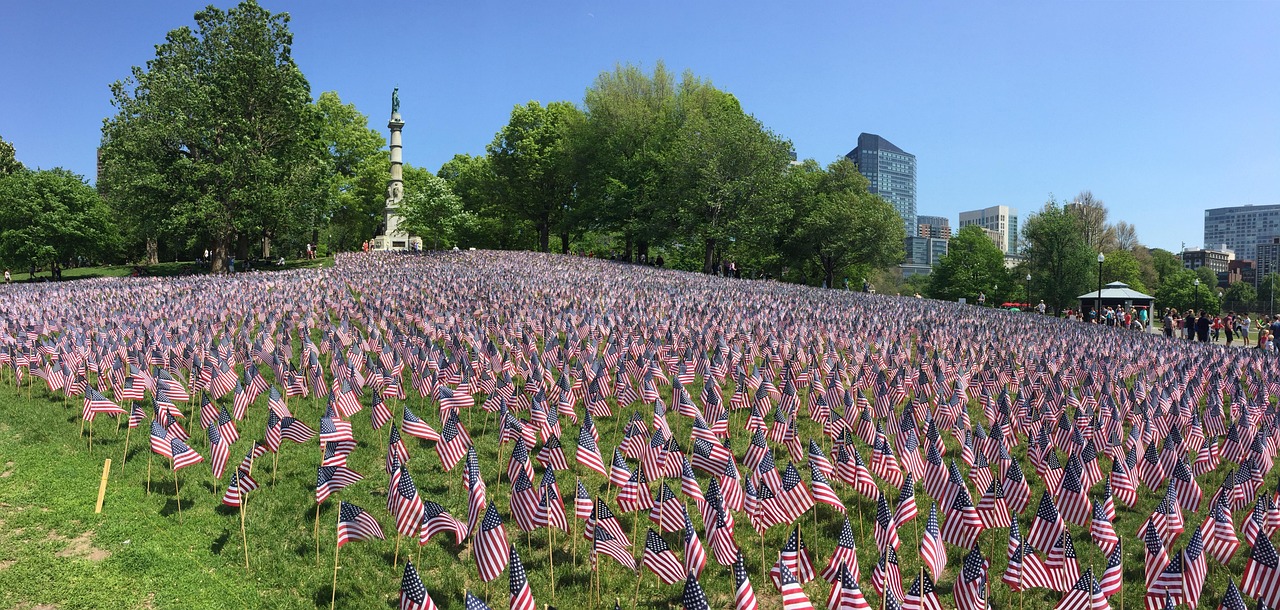
The art of flag design is a blend of history, symbolism, and creativity. When inspired by the USA Patriotic Flag Store, the process begins with understanding the profound meaning behind each stripe and star. The US flag, first flown on June 14, 1777, has evolved through countless revisions, each change reflecting a period of growth and unity in the nation. This rich history provides a solid foundation for designers, allowing them to tap into the flag's symbolism and adapt it to modern displays.
When considering a design for a special event, the protocol for displaying the US flag becomes a crucial element. Proper flag etiquette dictates specific rules for hoisting it at half-staff, folding it correctly for storage, and even how to hang it for optimal visibility. By adhering to these guidelines, designers can ensure the flag is displayed with the respect it deserves, fostering a sense of pride and patriotism. When hanging a US flag properly, one should secure it at the top of a pole, ensuring it flaps freely but not excessively, symbolizing a nation strong and unfettered.
Beyond historical context, designers draw inspiration from the flag's vibrant colors and iconic imagery. The red, white, and blue palette, coupled with symbols like the eagle and stars, offers a rich palette for creative expression. Designers might incorporate these elements into festive decor for Fourth of July celebrations or other patriotic events, creating eye-catching displays that resonate with communities. The US flag's versatility allows it to be adapted for both indoor and outdoor settings, each requiring specific size, material, and mounting considerations. A flagpole flying an outdoor US flag should be tall enough to ensure the flag is visible from a distance, typically 20 to 30 feet.
Incorporating these practical considerations into the design process results in a meaningful representation of the US flag. Whether for a festive event or permanent display, a well-designed flag captures the spirit of the nation and fosters a sense of community. By following these guidelines and drawing from the wealth of US flag traditions and customs, designers at the USA Patriotic Flag Store create flags that not only look beautiful but also honor the history and values they represent.
Revitalizing Community Pride: A Flag Design Inspiration Project
Situation
In a vibrant, diverse neighborhood, the once-proudly displayed American flags had begun to look worn and faded. This was particularly noticeable around Independence Day, a time when the community usually celebrated with a vibrant display of patriotic colors. Residents expressed a desire to restore the flags' visual appeal and their significance as a symbol of unity and pride. However, the neighborhood association was unsure where to start, lacking both the creative vision and practical resources for a successful revitalization project.
Action
The neighborhood association reached out to our patriotic flag store for assistance. Our team convened a workshop with representatives from the association, inviting local artists, craftspeople, and history enthusiasts to contribute their ideas. We started by exploring the rich history of flag design, discussing the symbolism behind the American flag and how it could be incorporated into new designs. We also considered the community's diverse backgrounds and cultures, aiming to create flags that felt inclusive and representative.
The workshop led to a flurry of creative energy. Using a mix of traditional and digital tools, participants sketched, painted, and designed a series of flag concepts. These concepts were then presented to the community at a series of public meetings, where residents offered feedback and suggestions. This collaborative process ensured that the final designs would resonate with the community and reflect their values.
Result
The project culminated in the creation of six unique, vibrant flags, each capturing a different aspect of the community's identity. These flags were then installed during a grand celebration on the Fourth of July, drawing a large turnout from residents and visitors alike. The event not only revitalized the neighborhood's display of patriotism but also fostered a stronger sense of community.
The success of the project was measurable in several ways. First, the number of residents actively engaged in the design process-over 50 participants-demonstrated the community's enthusiasm and commitment. Lastly, the increased foot traffic and community interaction around the flag displays suggested a renewed sense of place and belonging.
Frequently Asked Questions About The Art of Flag Design Inspiration
What is the primary role of flag design in patriotic displays? Flag design goes beyond aesthetics; it's a powerful tool for expressing national identity and pride. Well-designed flags can evoke a sense of unity, honor history, and inspire a sense of place. They're often used to represent a nation's values, traditions, and aspirations, making them significant symbols in public and private displays.
How does cultural context influence flag design? Cultural context plays a profound role in flag design. Symbols, colors, and patterns carry unique meanings across different cultures. The use of specific colors can evoke varying emotions and memories, while traditional motifs can represent shared history and beliefs. Designers often incorporate cultural elements that resonate with the intended audience, making flags more meaningful and relevant.
What makes a flag design visually appealing? A visually appealing flag design balances several elements. Effective use of color, shape, and line creates a harmonious composition. Contrasting colors, well-placed symbols, and intuitive layouts draw the eye. A good design tells a story or conveys a message succinctly, ensuring the flag is both aesthetically pleasing and meaningful.
Are there specific guidelines for flag design? While there's no universal set of rules, many countries follow general guidelines. These may include proportions (like the common 2:3 or 3:5 aspect ratios), specifications for colors (using precise Pantone or CMYK values), and restrictions on the use of certain symbols or emblems to avoid copyright infringement or political sensitivities.
How can I find inspiration for creating my own flag? Inspiration for flag design comes from many sources. Look to history for classic designs and symbolism. Explore current cultural trends and issues that resonate. Nature, geometry, and abstract art can also offer unique perspectives. Online platforms, flag design books, and discussions with fellow enthusiasts can provide valuable inspiration and insights.
What materials are best for creating a durable flag? The choice of material depends on intended use and display conditions. Polyester and nylon are popular for their durability and colorfastness. These synthetic fabrics are easy to clean and withstand outdoor conditions well. For indoor use or special occasions, linen or cotton flags offer a classic, natural look but may require more care.
Can I make my own flag, or do I need a professional designer? You can certainly create your own flag if you have basic design skills and access to the right materials. Online tools and software can assist with design. However, for complex or historically significant designs, professional help is advisable. An experienced designer can ensure accuracy, avoid copyright issues, and create a visually striking and meaningful flag.
Quick Reference
-
Inspire from History: Research historical flags and their symbolism to find timeless design elements that resonate today.
-
Understand the Meaning: Know the colors and symbols on the US flag, their historical significance, and what they represent.
-
Consider Your Audience: Think about who will see the flag and tailor design elements to their interests and values.
-
Focus on Simplicity: Effective flags often use simple shapes, bold colors, and clear symbols for easy recognition and impact.
-
Use National Symbols: Incorporate recognized symbols like stars, stripes, or iconic landmarks to immediately evoke a sense of patriotism.
-
Respect Cultural Sensitivity: Avoid using cultural symbols or imagery that might be misunderstood or offensive to diverse audiences.
-
Plan for Scalability: Design with different display sizes in mind, ensuring the flag looks good both close up and from afar.
-
Check Proportions: Maintain proper proportions for flags used in public spaces; adhere to established guidelines for size and shape.
-
Prioritize Quality: Choose durable materials and construction for outdoor flags to ensure longevity and a professional appearance.
Comparing Flag Design Inspiration Sources
This section compares different approaches to finding flag design inspiration, highlighting their unique features, strengths, and weaknesses.
| Feature | American Flag Store | Online Design Tools | Custom Flag Makers |
|---|---|---|---|
| Key Features | Offers a curated selection of flags and accessories, in-store consultation, and expertise from knowledgeable staff. | Provides digital tools for creating custom flag designs, allowing for experimentation with colors, shapes, and text. | Specializes in crafting custom flags according to specific design briefs, often with a focus on unique, intricate patterns and historical designs. |
| Best Use Cases | Ideal for individuals and businesses seeking a traditional shopping experience, expert advice, and a physical selection of flags. | Suited for individuals with basic design skills looking to create their own unique flags or for rapid prototyping. | Best for organizations, museums, and historical societies needing highly customized flags that tell a story or represent a specific cause. |
| Strengths | Wide variety of stock flags, high-quality materials, personalized customer service. | Ease of use, accessibility, cost-effectiveness for simple designs. | Ability to create truly one-of-a-kind flags, attention to detail, often with historical or cultural significance. |
| Limitations | Limited online browsing, higher prices compared to online tools, may not offer a wide range of customization options. | May lack the precision and detail available in custom makers, limited by the tools' capabilities. | Can be more expensive than online options, longer lead times, dependent on the skill and expertise of the maker. |
| Cost/Performance | Generally higher cost, but compensates with quality and personalized service. | Affordable, with excellent value for basic designs and rapid turnaround. | Premium pricing reflecting the craftsmanship and custom nature of the work, often with longer lead times. |
The USA Patriotic Flag Store offers a rich mix of inspiration for flag designers, weaving together historical insights, symbolism, and practical guidance. By exploring the evolution of flags, understanding their profound meaning, and following a structured design process, anyone can create meaningful and impactful flags. This article has provided a comprehensive toolkit, from fundamental design techniques to application-specific considerations like holiday decor and special events. Embracing the creative process and drawing from the vast symbolism embedded in flags allows for the development of unique and powerful visual narratives.
With these principles in hand, the USA Patriotic Flag Store serves as a hub for turning creative visions into reality. Whether designing for personal expression, community events, or public displays, the knowledge gained here provides a solid foundation. Next steps include putting these insights into practice, engaging with the community, and perhaps even contributing to the rich history of flag design. This article has illuminated the art of flag design, empowering readers to create and display flags that truly capture the spirit and values they represent.
The USA Patriotic Flag Store guides flag design through history, symbolism, and etiquette, ensuring meaningful representations of the US flag. Designers tap into the flag's rich history, vibrant colors, and iconic symbols to create visually appealing displays for events and permanent installations. Understanding the context, choosing appropriate colors and symbols, and adhering to display protocols result in flags that honor the nation's values and foster community pride.