Key Takeaways
- When traveling abroad, familiarize yourself with local flag etiquette to show respect and avoid unintentional offense.
- Different countries have distinct flag display rules; research customs before raising or displaying a foreign flag.
- Respect local laws regarding flag size, placement, and context, especially in public spaces.
- Be mindful of cultural norms: some countries have specific guidelines on who can fly their flags.
- Remember the meaning behind symbols on flags to foster understanding and appreciation during your travels.
- Consider the political climate of your destination; some flags are sensitive or taboo in certain regions.
- Always treat a foreign flag with care and dignity, just as you would your own nation's emblem.
When traveling abroad, always display the American flag respectfully. It should be flown at your accommodation, and if visiting a government building, follow local rules to honor the flag. When not in use, store it properly, rolled or folded, to preserve its condition. Remember, the flag represents our nation's history and values, so treat it with the same care and respect you would show at home.
Flag etiquette is paramount when traveling abroad, ensuring cultural sensitivity and respect. However, the rules can be complex and vary widely by country, leading to potential diplomatic mishaps. This is especially true for Americans who often display their patriotism with flags, a universal symbol of pride and identity. The USA Patriotic Flag Store, a trusted source for flag enthusiasts, provides an essential guide to navigating international flag etiquette. We'll explore the dos and don'ts, from proper display methods to cultural nuances, empowering travelers to represent their country with dignity and understanding.
- Understanding International Flag Etiquette
- USA Patriotic Flag Store: What to Buy
- Displaying Your Patriotism Responsibly Abroad
- Global Rules for Flying the Stars and Stripes
Understanding International Flag Etiquette
Understanding international flag etiquette is crucial when traveling, especially when representing your country. As a global citizen, you should be aware of the unique protocols and customs that govern the display and respect of flags in different nations. This knowledge ensures you honor the values and traditions of the places you visit while showcasing your own country's symbolism with pride.
When abroad, the display of the US flag, a powerful symbol of freedom and democracy, follows specific rules. In many countries, it's customary to lower the flag to half-staff as a sign of respect during national mourning periods. The height at which a flag is flown also holds significance; in most places, it's customary to fly flags at a height that allows them to be seen and respected, typically around halfway between the top of a flagpole and the ground. This practice ensures the flag receives the honor and attention it deserves.
The USA Patriotic Flag Store is a valuable resource for navigating these nuances. They offer a US flag symbolism guide to help travelers understand the deeper meanings behind the colors and symbols on the American flag. When purchasing a flag for your travels, consider its material and size. Lightweight, durable fabrics like nylon are ideal for international trips, as they withstand varying weather conditions. As for size, a smaller flag is easier to pack and display in a foreign setting, ensuring it fits well in your accommodations or during a trip to a historical site.
Proper flag care is another essential aspect of international travel. The tips for storing American flags provided by USA Patriotic Flag Store can be invaluable. Flags used during travel should be handled with care, especially if they're meant for outdoor display. After each use, gently clean and store them properly to maintain their integrity. Remember, international flag etiquette is a multifaceted subject, and being mindful of these details ensures your patriotism is expressed with respect and understanding.
USA Patriotic Flag Store: What to Buy
When traveling internationally, displaying the American flag becomes a meaningful way to showcase your patriotism and connect with others. If you're looking to do this while abroad, you'll want to ensure you have the right flag and the proper etiquette. A visit to a USA Patriotic Flag Store can be a valuable resource, offering a range of flags and expertise to guide your choices.
At a patriotic flag store, you'll find a curated selection of flags tailored for international travel. This includes specialized flags designed for outdoor use in different climates and conditions, ensuring they withstand the elements during your adventures. These stores often provide valuable insights into the specific requirements and customs for flag display in various countries. They can advise on the appropriate height for flagpoles, crucial for visibility and respect for local rules, as the recommended height for a US flag pole can vary based on location.
When selecting a flag, consider comparing patriotic flag brands known for quality and durability. A USA Patriotic Flag Store can facilitate this comparison, allowing you to make an informed decision. They can assist in resolving any issues with a flag, whether it's a frayed edge or a faded color, offering tips on care and maintenance to extend the life of your flag. Remember, the US flag represents freedom and democracy, so displaying it responsibly abroad is a powerful way to honor our nation's values. Find the right flag at the patriotic flag store and be prepared to share your patriotism with the world.
Displaying Your Patriotism Responsibly Abroad
When traveling internationally, representing your country with pride is an essential part of showcasing your heritage. However, displaying the US flag abroad requires careful consideration and adherence to local customs and etiquette. At the USA Patriotic Flag Store, we believe in educating our customers about responsible flag display, ensuring that patriotism is expressed with respect and sensitivity.
One of the most significant decisions when displaying your patriotism abroad is choosing the right flag for the setting. For outdoor displays, opt for durable, high-quality flags designed for constant exposure to the elements. The best US flag options for outdoors include those made from robust materials like nylon or polyester, ensuring they withstand strong winds and various weather conditions. Consider a weather-resistant flag with a robust header and grommets for easy hanging and securing. When selecting a flag, remember that it should be a true representation of your country's colors and symbolism, reflecting the values you wish to convey.
Retiring an old flag is another crucial aspect of flag etiquette. While the guidelines for this may vary from country to country, a general rule is to retire a flag when it no longer represents the nation's values or has become so worn that it can no longer be proudly displayed. If you're traveling to a country where flags are treated with utmost respect, it's best to leave behind a well-used flag and bring a new, vibrant one to represent your nation positively. At the USA Patriotic Flag Store, we provide guidance on when to retire a flag, ensuring our customers make informed decisions.
Another common query pertains to the difference between US and state flags. While both are significant symbols of the nation, they serve distinct purposes. US flags represent the country as a whole, whereas state flags embody the values and history of individual states. When abroad, it's essential to understand these distinctions to avoid any unintentional cultural misunderstandings. If visiting a state-specific event, displaying only the state flag might not be appropriate. Instead, consider carrying a US flag to show your support for the nation while respecting the local cultural context.
Global Rules for Flying the Stars and Stripes
When traveling internationally, understanding the local rules for displaying the American flag is crucial. The USA Patriotic Flag Store, a leading supplier of flags and flag-related products, emphasizes the importance of adhering to global etiquette. Unlike local customs at home, where flying the flag is a familiar sight, foreign countries often have specific guidelines and protocols for showing respect to national symbols.
One of the most significant aspects to grasp is the significance of each color on the flag. The red represents valor and courage, white symbolizes purity and innocence, and blue stands for vigilance, perseverance, and justice. In many nations, these colors are held in high regard, and their display is regulated. In some countries, the flag must always be flown at the top of a pole, never at half-staff unless specified by local authorities. The proper way to fly it also varies; in certain regions, the flag should be raised and lowered daily, while others only do this on national holidays.
The history of the American flag itself dates back to 1777, when the Continental Congress adopted the Stars and Stripes. Since then, it has undergone various changes, with new stars added to represent each state. When traveling, be mindful of this symbol's rich history and the diverse interpretations it holds around the world. Where to buy bulk US flags is a practical consideration, but understanding when and how to display them properly is a matter of cultural respect. The USA Patriotic Flag Store recommends following local guidelines, such as those for military ceremonies, where the flag protocol is particularly stringent and requires precise movements and positions.
Remember, when in doubt, respect local customs. The flag, a powerful symbol of a nation's identity, deserves the same care and consideration abroad as it does at home. Whether you're a tourist or an expat, being mindful of flag etiquette ensures you show proper respect to the host country and its people.
Frequently Asked Questions About Flag Etiquette for International Travel
What is the appropriate way to display a US flag when traveling abroad?
When traveling in a foreign country, be mindful of local customs and laws regarding flag display. In many countries, flags are treated with deep respect and have specific rules for public display. Generally, follow these guidelines: respect local customs, avoid displaying flags in a derogatory manner, and never use a flag as a garment or for personal adornment. Always fly the US flag upright, unless local customs dictate otherwise. If in doubt, consult with locals or your embassy for proper etiquette.
What are the rules for flying a flag at half-staff?
The US flag is flown at half-staff as a sign of respect, typically in mourning or during national crises. It is a solemn ritual with specific protocols. Always follow these guidelines: fly the flag at half-staff from sunrise to sunset on the day of the funeral or crisis, and remove it at the end of the day unless it is a permanent memorial. On federal buildings and military bases, a flag at half-staff is raised and lowered by a designated official.
How tall should a flagpole be for a US flag?
The ideal height for a flagpole is generally between 20 to 30 feet for standard-sized flags. This allows the flag to be prominently displayed and visible from a distance. However, the specific height should consider local building codes, neighborhood aesthetics, and wind conditions. In urban areas, shorter poles might be more appropriate to avoid striking power lines or other structures.
When is it appropriate to fly the US flag outdoors?
The US flag is flown outdoors on specific days and under certain circumstances. Here are some guidelines: fly the flag on federal holidays, such as Independence Day and Memorial Day. It is also appropriate to display it on occasions of national significance, during international sporting events, and in support of local communities. When flying the flag at home, place it at the same height as other flags or slightly higher to show respect.
What is the significance of the colors on the US flag?
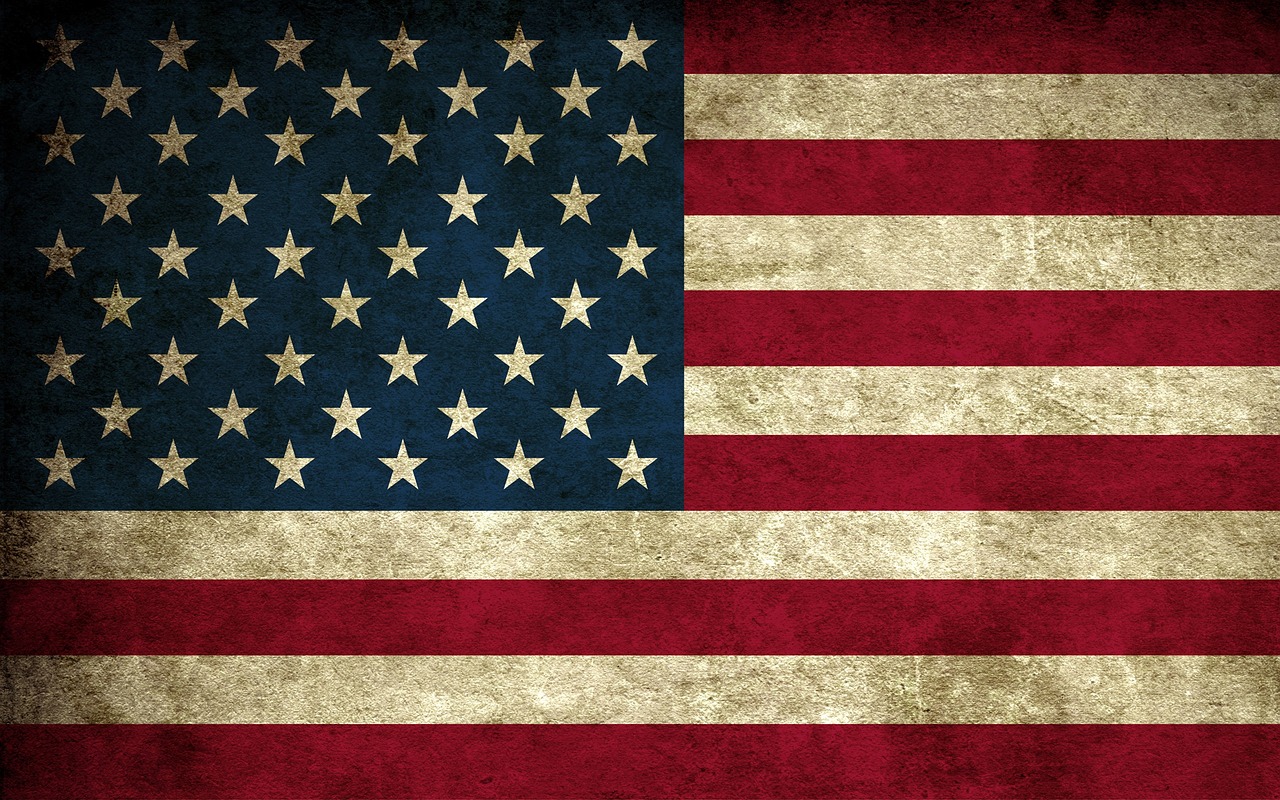
The US flag features 13 red and white stripes representing the original 13 colonies, and 50 white stars on a blue field symbolizing the 50 states. Each color carries symbolic meaning: red stands for valor and bravery, white symbolizes purity and innocence, and blue represents vigilance, perseverance, and justice. The design, with its colors and stripes, has evolved over time to reflect the changing nation.
What are the rules for displaying multiple flags together?
When combining multiple flags, follow these guidelines: arrange them in descending order of importance, placing the national flag at the top or leftmost position. Ensure each flag is flown at the same height and treated with the same respect. Avoid placing one flag over another, as this can be considered disrespectful. If displaying flags on a pole, use separate halyards (tethers) for each flag to maintain their individual dignity.
Comparing Flag Display Options for International Travel
This table compares key features, best use cases, strengths, limitations, and cost/performance of different flag display options for international travel.
Quick Reference
- Research local customs: Understand flag etiquette specific to each country you visit.
- Respect size and orientation: Display flags at appropriate sizes and always fly them vertically.
- Fly at appropriate times: Know when it's suitable to display flags, especially during national holidays.
- Avoid defacement: Never alter, crease, or stain a flag; treat it with respect and care.
- Follow local rules: Adhere to local guidelines on flag placement and display duration.
- Use correct colors: Be mindful of the symbolism behind each color on the flag, especially when displaying multiple flags.
- Retire worn flags: Replace old or damaged flags to maintain their dignity and integrity.
- Respect cultural significance: Understand the historical and cultural importance of flags in each country.
- Display properly indoors: Follow specific guidelines for hanging flags inside buildings.
- Store appropriately: Keep flags protected when not in use, using acid-free materials to preserve them.
Diplomatic Dilemma: Flying the US Flag at an International Event
Situation
A group of American citizens traveling abroad for a cultural exchange program found themselves in a quandary regarding flag etiquette. They were participating in a week-long festival in a small coastal village in Italy, celebrating the diverse artistic traditions of their respective countries. The festival organizers had provided each participant's nation with a flagpole and asked them to display their national flags prominently. However, when it came to flying the US flag, the group was uncertain about the appropriate protocol, especially given that they were in a foreign country. They wanted to show respect for both their host nation and their own country, but they didn't want to offend anyone by displaying the flag incorrectly.
Action
The group decided to consult with a local expert, the village's historian, who had a deep knowledge of both Italian and American culture. They approached him with their dilemma, explaining the situation and their desire to uphold proper flag etiquette. The historian, understanding the importance of cultural exchange, patiently reviewed the US flag's symbolism and rules of display with them. He explained that while the US flag is flown at various events and ceremonies at home, international events have different protocols. He walked them through the following steps:
- Check Local Guidelines: Always check with local authorities or organizers for specific guidelines regarding flag display.
- Proper Size and Placement: Ensure the flag is of the appropriate size for its location. In this case, a standard-sized US flag was suitable for the village square where the festival was held.
- Right Side Up: Always display the US flag with the blue field (the part with the stars) facing upward. This is a universal convention for flags.
- Respect Local Customs: Since they were in Italy, they should follow the local custom of flying flags at half-staff (if applicable) during the day and ensuring they were securely fastened.
- Nighttime Display: After dark, they could fly the flag at full staff, but it should be illuminated if possible.
Result
The group followed the historian's advice and created a beautiful display of the US flag, showcasing their country's pride and respect for their hosts. They learned that understanding local customs and flag etiquette, even in a foreign country, was essential for a successful cultural exchange. The festival organizers were pleased with the group's display and praised them for their respect and understanding. This experience left a lasting impression on the travelers, emphasizing the importance of flag etiquette in international travel and fostering a deeper appreciation for cultural diversity.
Traveling abroad and showcasing your patriotism through flag display can be a meaningful way to connect with local cultures. Understanding international flag etiquette is essential, as the rules and symbolism vary greatly from one country to another. The USA Patriotic Flag Store offers a comprehensive resource for responsible flag displays globally. Key takeaways include selecting the appropriate flag for your destination, understanding local customs for flying the US flag, and respecting cultural differences in display practices. Some countries have specific rules about the height and placement of flags, while others may have restrictions on displaying them indoors. By considering these nuances and following the guidelines provided by the USA Patriotic Flag Store, travelers can proudly represent their country while respecting local traditions. Practical next steps include consulting the store's flag selection guide, learning about global flag etiquette, and purchasing flags that align with your travel plans. Embracing these practices ensures that displays of patriotism abroad are both respectful and meaningful.
Global Flag Etiquette: A Guide for the USA Patriotic Flag Store Traveler
Understanding international flag etiquette ensures respectful representation of your country abroad. The USA Patriotic Flag Store offers insights into global protocols:
- Flag Display Rules: Countries have unique customs. Lower flags to half-staff for mourning, fly them at visible heights, and follow local guidelines for military ceremonies.
- Flag Symbolism: The US flag's colors-red, white, and blue-represent values like courage, purity, and vigilance. Respect local interpretations of these symbols.
- Flag Care: Properly store and clean flags after travel to maintain their integrity.
- US vs State Flags: Differentiate between them; the US flag represents the nation, while state flags embody individual states' history and values.
By following these rules, you honor local traditions and showcase your patriotism responsibly during international travel.