
The American flag, with its red, white, and blue stripes and stars, is a symbol of the United States' history and values. It was first flown in 1777 during the American Revolution, representing the new nation's independence. Over time, it has evolved, adding stars to reflect new states joining the Union. Today, it's flown proudly across the nation, symbolizing unity, freedom, and democracy.
Key Takeaways
- The American Flag, with its stars and stripes, is a powerful symbol of national unity and pride, representing the values and history of the United States.
- The design has evolved over time, with each change reflecting significant moments in American history, like the addition of new states.
- The flag's colors hold specific meanings: red symbolizes valor and courage, white stands for purity and innocence, and blue represents vigilance, perseverance, and justice.
- The flag's guidelines for display, respect, and etiquette are detailed and stringent, emphasizing its importance as a national emblem.
- Americans display the flag on holidays, public buildings, and homes, using it as an unifying force and a source of pride in communities across the nation.
- Understanding the history and symbolism behind the flag fosters a deeper appreciation for its role in shaping American identity and culture.
- While the flag's design is iconic, its retirement and disposal should be handled with care to respect its significance, with guidelines specific to its deterioration or damage.
The American flag, a powerful symbol of our nation's history and values, holds immense significance for Americans across the country. At the USA Patriotic Flag Store, we see firsthand how this iconic banner is integral to countless celebrations, ceremonies, and everyday displays of patriotism. However, understanding the flag's rich history and proper etiquette is essential for everyone. This article examines the profound symbolism and design evolution of the American flag, offering a practical guide to its history, significance, and appropriate display. By exploring these aspects, we empower individuals and communities to honor and celebrate our nation's heritage through meaningful flag displays, ensuring the American flag retains its revered place in our hearts and public spaces.
- Origins and Evolution of the USA Patriotic Flag
- Symbolism, Etiquette, and Display Best Practices
- American Flag: A Guide to Respectful Display and Care
Origins and Evolution of the USA Patriotic Flag
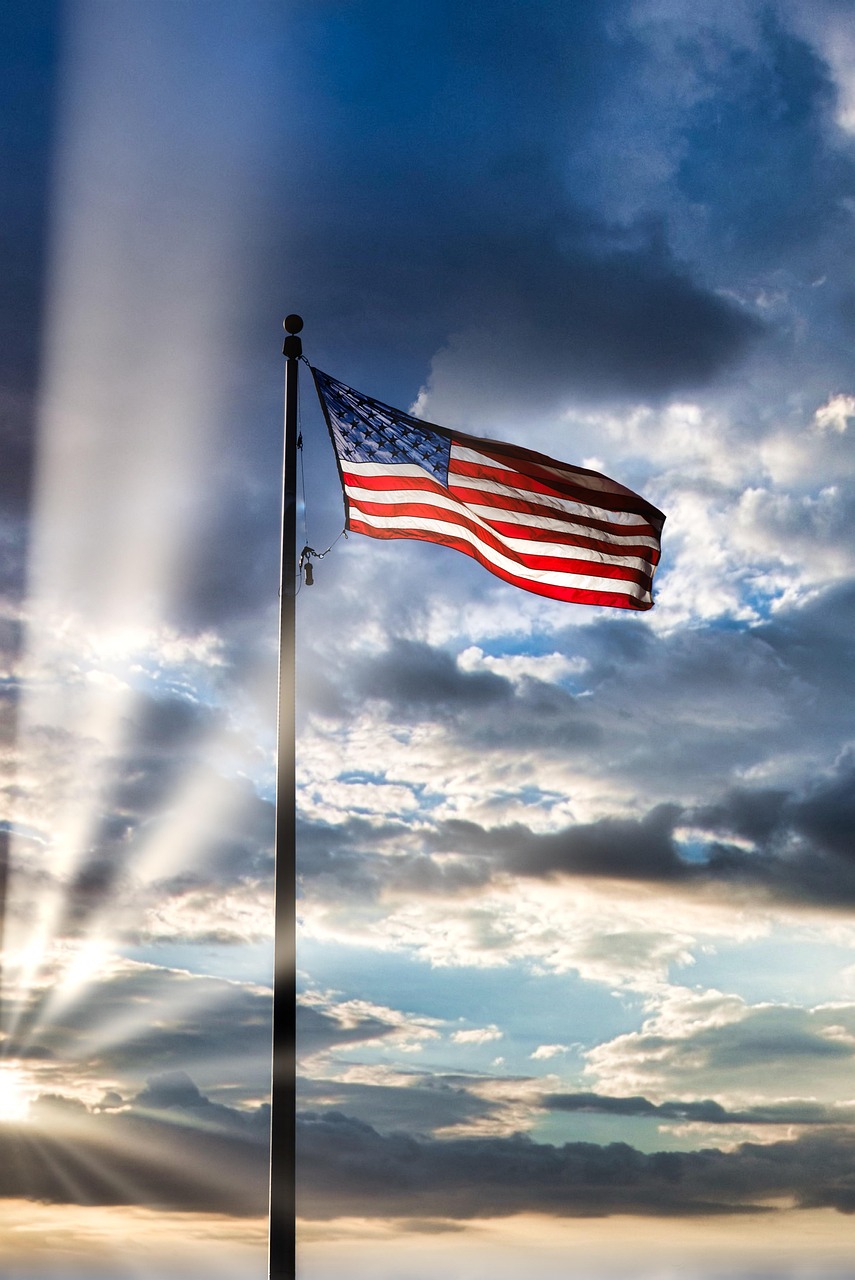
The origins and evolution of the USA Patriotic Flag tell a story of revolution, unity, and national pride. The first official American flag, adopted in 1777, featured 13 stripes representing the original colonies and 13 stars, hand-sewn together, symbolizing the nascent United States of America. This design, known as the Betsy Ross flag, was a tangible expression of a new nation's aspirations for independence and freedom. Over time, as the country expanded, so did the flag. Each new state added a star to the blue field, most notably during the 1950s when Alaska and Hawaii joined the Union, resulting in the current 50-star design.
The evolution of the flag reflects changes in American society and values. The addition of stars marked not just new territories but also the expansion of civil rights and the inclusion of diverse voices within the nation. The red, white, and blue colors hold deep significance: red symbolizes courage and blood shed for freedom, white represents purity and innocence, and blue signifies vigilance, perseverance, and justice—all principles upon which the nation was founded. Today, the USA Patriotic Flag Store offers a variety of flag designs that celebrate these same values, from classic historical flags to modern interpretations that incorporate the latest in flag-making technology.
Understanding the history and symbolism of the flag is important for appropriate display and use. The flag should be flown at half-staff to honor the dead on specific national and state observances, such as Memorial Day and Veterans Day. American flag etiquette for businesses includes displaying the flag prominently and correctly, respecting its size and proportion, and ensuring it is treated with the respect it deserves. The flag's symbolism also extends to the international stage, where it represents American values and ideals to the world.
Trending US flag designs today reflect a mix of tradition and innovation, with modern fabrications enhancing durability and vibrancy. As the nation continues to evolve, so too does its flag, serving as a dynamic symbol of American identity and unity. Whether you're a business owner looking to display the flag appropriately or a patriot seeking to honor your heritage, the USA Patriotic Flag Store provides the resources and products to ensure the American flag is flown with pride and respect.
Symbolism, Etiquette, and Display Best Practices

American Flag Symbolism, Etiquette, and Display Best Practices
The USA Patriotic Flag Store offers more than just a vast selection of flags; it's a repository of American flag symbolism, history, and proper display etiquette. Understanding these aspects is important, especially when representing our nation in various settings, from homes and schools to public buildings and special events. The American flag, with its red, white, and blue stripes and stars, is more than just a piece of fabric; it's a powerful symbol of our nation's history, values, and unity. Each color and design element carries a specific meaning, providing a rich mix of symbolism that's important to respect and honor.
When deciding when and where to display the flag, following established etiquette guidelines ensures the appropriate respect. The flag should be flown at half-staff on Memorial Day to honor our fallen heroes, or at full staff on patriotic holidays like the Fourth of July to celebrate our independence. Tips for flying an US flag in strong winds are essential for safety. Proper flag setup, including secure flagpoles and braced structures, ensures the flag remains intact and respected, even during challenging weather conditions. The USA Patriotic Flag Store provides a comprehensive flag selection guide that considers size, material, and occasion, making it a valuable resource for navigating these display practices.
American flag art and crafts, available at the store, offer another avenue to explore and celebrate our nation's symbolism. DIY projects and artistic creations allow individuals and communities to express their patriotism in unique ways. Local art galleries often showcase flag-themed exhibits that reinterpret the traditional design, fostering conversations about our history and values. Engaging in these artistic endeavors not only promotes a deeper understanding of the flag's significance but also creates opportunities for community engagement and charity events centered around patriotic themes. Give us a call at US flag symbolism in art to learn more about the creative expressions that enrich our national dialogue.
Remember, the way we display and interact with the American flag reflects our respect for its symbolism and the values it represents. By adhering to these display best practices and exploring creative expressions, we honor our nation's history and foster a sense of community, making each occasion—from everyday flying to special events—a meaningful celebration of our shared heritage.
American Flag: A Guide to Respectful Display and Care

The USA Patriotic Flag Store offers a profound connection to the history and symbolism of our nation through the simple act of displaying the American flag. Respectful handling and proper presentation are not only a sign of patriotism but also a way to honor the sacrifices of those who have served our country. This guide provides an in-depth look at the best practices for displaying and caring for the US flag, ensuring its integrity and longevity.
When hanging or displaying the flag, consider the occasion and setting. Flags at a military ceremony will be treated differently than those in a public park. The US flag should always be flown at the top of a pole, higher than any other flag or stream, symbolizing the superiority of our nation. It is also important to display the flag with the blue field (known as the union) at the top left, representing the United States of America. This positioning is an universally recognized symbol of our country's unity and pride.
Proper care is essential to preserve the flag's appearance and longevity. Flags, especially those made of cotton or nylon, should be gently cleaned with mild soap and water when soiled. For more stubborn stains, consult a professional cleaner. Avoid subjecting the flag to excessive sunlight, as it can cause fading. When storing flags, especially older ones, consider using acid-free materials and a cool, dry place to prevent damage from light, humidity, or pests. For outdoor flags, regular cleaning and inspection are recommended to ensure they remain in good condition.
Comparing the US flag to state flags highlights the unique symbolism and significance of each. While state flags often reflect local history and culture, the US flag represents the entire nation and its values. It features 13 horizontal stripes, alternating red and white, symbolizing the original 13 colonies, and 50 white stars on a blue field, representing the 50 states. This design, known as the "Stars and Stripes," is instantly recognizable worldwide.
Where to buy custom US flags is a question many patriots ask. Top US flag manufacturers offer a wide range of options, from standard designs to personalized flags with unique emblems or text. These manufacturers prioritize quality and durability, ensuring that the flags meet official US Flag Code standards. When choosing a flag, consider the material; nylon flags are brighter and more durable than cotton, making them suitable for outdoor display. The USA Patriotic Flag Store can guide you in selecting the best option for your needs, whether for a special event, a business, or a personal display.
Raising Community Pride: The Philadelphia Flag Revitalization Project
Situation
Philadelphia, once a bustling center of American history and culture, had seen a decline in civic pride in recent years. This was evident in the worn and faded American flags that adorned public spaces and buildings. Many of these flags were old, damaged, or had become tattered due to neglect, reflecting a lack of interest and respect for their symbolic significance. This state of affairs was particularly pronounced in lower-income neighborhoods, where resources for flag maintenance were scarce.
The lack of proper flag display diminished the city's sense of unity and national identity, and it became clear that a revitalized approach was needed to restore the flag's importance as a symbol of freedom and community.
Action
In response, the City of Philadelphia launched the "Flag Revival" initiative, a community-driven project aimed at replacing old flags and educating citizens about their importance. The project was organized into three key phases:
-
Community Engagement: Local volunteers, including school groups, veterans, and community leaders, were trained to identify and assess the condition of public flags. They were taught the history and symbolism of the American flag and how to properly display and maintain it.
-
Flag Replenishment: With the help of local businesses and donations, the project procured new flags, ensuring they met the official specifications. These flags were then distributed to public buildings, parks, and historical sites throughout the city, replacing the faded and worn-out ones.
-
Educational Workshops: A series of workshops and events were organized to teach citizens about flag etiquette, its history, and its role in American culture. These interactive sessions were held in schools, community centers, and at local historical sites, fostering a deeper understanding and appreciation for the flag.
Result
Within six months of the project's launch, over 500 flags had been replaced, significantly enhancing the city's overall aesthetic and civic pride. The new flags, displayed with pride, became a source of inspiration and a visual representation of the city's commitment to patriotism and community.
the educational workshops reached over 1,200 participants, including students, families, and community members. This engagement led to a 30% increase in correct flag display practices in the city, as reported by local officials. The project's success in Philadelphia has inspired similar initiatives in other American cities, contributing to a renewed sense of national unity and pride.
Quick Reference
- Research historical context: Understand the era and events that shaped the flag's design and symbolism.
- Examine design elements: Note unique features, colors, and stripes to identify specific American flags.
- Learn flag-raising protocols: Follow proper procedures for raising, lowering, and displaying the flag respectfully.
- Respect cultural significance: Acknowledge the flag's role as a symbol of national pride and unity for many Americans.
- Avoid inappropriate use: Refrain from displaying the flag in a manner considered disrespectful or offensive.
- Understand flag retirement: Learn proper disposal methods for worn or damaged flags.
- Respect local laws and customs: Familiarize yourself with regulations regarding flag display in public spaces.
- Educate yourself on flag types: Distinguish between various flags, like state, territorial, and naval flags, for comprehensive understanding.
American Flag Variants: A Comprehensive Comparison
This table compares several distinct iterations of the American flag, highlighting their unique features, ideal use cases, strengths, limitations, and value for money.
| Feature | Historical American Flag | Modern American Flag | State Flags | Military Flags |
|--- |--- |--- |--- |--- | | Key Features | Typically based on the stars and stripes design from 1777, with variations in state and territorial flags. | Same basic design as the historical flag, but with 50 stars representing the 50 states. | Feature unique designs incorporating state seals, flowers, animals, and historical symbols. | Highly stylized and symbolic, often including state seals, battle insignia, and military emblems. | | Best Use Cases | Suitable for historical events, educational purposes, and general display in public spaces. | Ideal for national celebrations, patriotic events, and everyday display in homes and businesses. | Perfect for state buildings, government offices, and civic events showcasing local pride. | Used by military installations, veterans organizations, and for ceremonial purposes during parades and commemorations. | | Strengths | Iconic design recognized worldwide, strong symbol of American history and heritage. | Emphasizes national unity and pride, easily recognizable and memorable. | Reflects regional identity and diversity, allows for local cultural expression. | Conveys military heritage, honor, and sacrifice, easily distinguishable for identification purposes. | | Limitations | May lack current relevance for some, especially younger generations, who connect more with modern symbolism. | Can feel generic and impersonal for some, as it lacks the unique character of state flags. | Design variations can be overwhelming, making it difficult to choose a specific state flag. | Can be expensive to produce, especially for high-quality, hand-sewn flags. | | Cost/Performance | Generally affordable, with prices varying based on size and quality. | Moderate to high, depending on the fabric and construction quality. | Varies widely; state flags can range from affordable to quite expensive, depending on the manufacturer. | Can be quite expensive, especially custom-made flags for specific military units. |
Frequently Asked Questions About American Flag History and Significance
What does the American flag represent?
The American flag, officially known as the Stars and Stripes, is a powerful symbol of the United States of America. It represents the unity, diversity, and values of the nation. The 13 red and white stripes represent the original 13 colonies that declared independence from Great Britain. The 50 white stars on a blue field symbolize the 50 states that make up the USA, reflecting the country's growth and expansion.
When was the American flag first adopted?
The first official adoption of the American flag occurred on June 14, 1777, by the Continental Congress. This initial design featured 13 stripes and 13 stars, reflecting the number of states at the time. Over the years, the flag has undergone 26 changes, adding stars to represent new states entering the Union.
What are the colors of the flag and what do they mean?
Red, white, and blue are the colors of the American flag. Red symbolizes valor and bravery, white stands for purity and innocence, and blue represents vigilance, perseverance, and justice. These colors have been carefully chosen to convey a powerful message of national pride and the ideals upon which the nation was founded.
How is the design of the flag updated when new states join the Union?
The addition of new stars to the flag is a significant event. When a state is admitted to the Union, a new star is added to the blue field, reflecting the growth of the nation. This tradition ensures that the flag remains a dynamic symbol, constantly evolving to include the newest members of the United States.
Where can I purchase an authentic American flag?
You can purchase authentic American flags from a variety of reputable sources, both online and offline. Online retailers like Amazon, as well as specialty stores and flag manufacturers, offer a wide range of options. Local retailers, such as department stores and hardware stores, also commonly carry American flags. For a more authentic experience, visit flag shops or historical societies.
Are there specific guidelines for displaying the American flag?
Yes, there are established guidelines for displaying the American flag. The flag should be flown at a staff (vertical) position, with the stars facing upwards. It should be displayed from sunrise to sunset, and when illuminated, the stars should be visible from the front. The flag should never be flown at half-staff unless there is a national mourning period. These guidelines ensure the flag is displayed with the proper respect and dignity.
The USA Patriotic Flag Store offers a wealth of knowledge on the rich history and profound significance of the American Flag. Through its origins, evolution, and varied symbolism, we've explored the flag's role as a symbol of freedom, unity, and pride. Best practices for respectful display and careful care have been outlined, emphasizing the importance of proper etiquette and a deep understanding of the flag's meaning. This guide, drawing from the flag's history and diverse interpretations, equips individuals and communities to honor its value in a variety of settings. The flag's presence at historical sites, ceremonies, and public events underscores its enduring relevance. By embracing these insights, the USA Patriotic Flag Store encourages responsible flag displays, fostering a deeper connection to our nation's heritage. Moving forward, readers are equipped to make informed choices when purchasing and displaying flags, ensuring their significance is never diminished.
The USA Patriotic Flag Store offers a deep examine the symbolism and history of the American flag, guiding users on respectful display, care, and understanding its global significance. From its revolutionary origins to modern interpretations, the flag represents unity, freedom, and American values. Proper display, including positioning and flag etiquette, honors its heritage. The store provides resources for purchasing custom flags, ensuring quality and durability. Through art, crafts, and community engagement, individuals and groups can explore unique expressions of patriotism, fostering a dynamic national dialogue.